Introduction to wetland walls

Muuras’s products are designed to advance our commitment to reintroduce endemic ecosystems in urban areas, improving surface water quality and fostering healthier urban environments. To achieve this, Muuras develops a range of innovative solutions that bring ecological functions back into cities. Our key products include:

Introduction to wetland walls
About Wetlands

About Wetlands

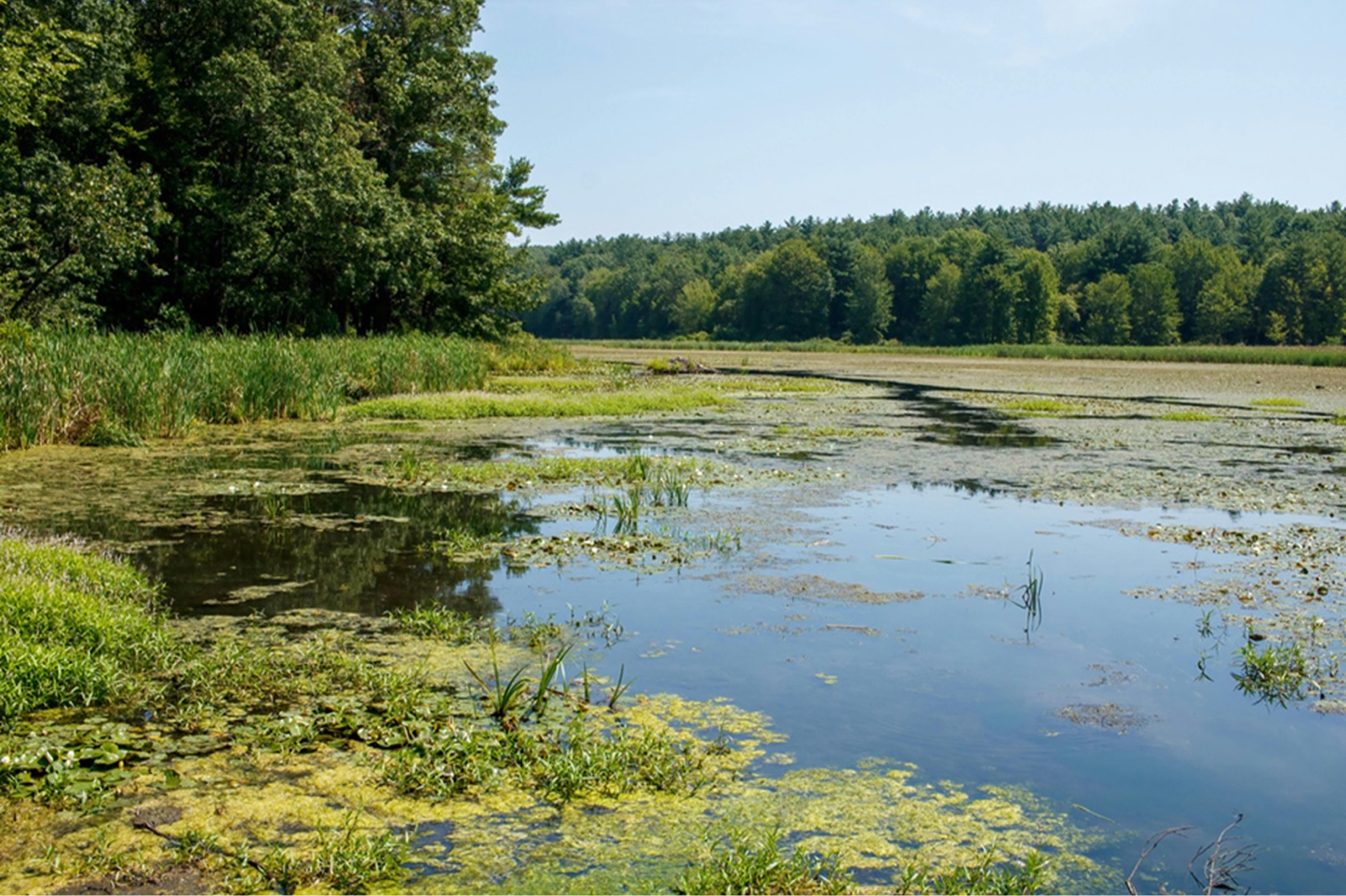
Wetlands are nature’s water filter: they remove pollutants from surface water and turn them into nutrients for plants to grow. The unique water-logged environment of wetland ecosystems is home to communities of plants and microbes that turn harmful atmospheric nitrogen and carbon dioxide into a thriving habitat for all kinds of life. In this environment, heavy metals, chemical pollutants, and harmful bacteria are removed and processed, and clean water and oxygen are released in return. Because of their capacity to retain water, wetlands also function as sponges that prevent floods when it rains a lot and store clean water for times of drought.
Harnessing Nature’s Potential

Harnessing Nature’s Potential

Oftentimes, useful wetlands have to make way for urban development, but no more: Muuras has developed a solution that allows us to benefit from these wetland functions while living in the city. Our Wetland Walls are a modular, vertical living wall system inspired by natural wetland environments. These systems are not just beautiful to look at: they purify urban wastewater and allow you to reuse it within the building, and they improve building insulation. This means you can save on your water and heating bills all at once, all while making your space a more pleasant place to live and/or work and boosting its sustainability.

Wetland Wall Features

Wetland Wall Features

  • Natural filtration of pollutants from water sources.
  • Improves urban cooling and reduces heat island effects.
  • Creates habitats for pollinators and small wildlife.
  • Reduces eutrophication risk in water bodies.
  • Supports circular economy principles by upcycling wastewater by-products.
  • Removes heavy metals, pharmaceuticals, and organic pollutants.
  • Enhances groundwater recharge and flood resilience.
  • Adaptable to industrial, municipal, and decentralized treatment systems.

Our Wetland Wall technology is one way to practically advance our commitment to reintroduce endemic ecosystems in urban areas, improving surface water quality and fostering healthier urban environments. We’d love to grow resilient cities with you, so please inquire to discuss how to make Wetland Walls work for you!

Hands catching splashing fresh water in sunlight

How to get started with Muuras?

Simply contact us, by email or the contact sheet at the bottom of the page, with your project needs—our team will recommend the service package that best supports your goals.

Products FAQ

Our Wetland Walls are living green walls that contain native wetland plants and soil dynamics. These systems emulate natural wetland ecosystems and the services they provide (water purification, water buffering, carbon capture, climate regulation, shelter and food for wildlife, and more), in a space-efficient way. This creates a visually appealing facade that allows humans to live healthily and peacefully side-by-side with other animals and native plant species.
Most living walls waste drinking water and fertilizer to operate, and they often integrate invasive plant species. We believe that this is costly and unsustainable, especially in the face of growing drought and fertilizer shortages. Muuras’ Wetland Walls use residential wastewater to feed and water the native plants in the wall, reducing costs for users and relieving pressure on drinking water sources.
Muuras constitutes an artificial wetland ecosystem that accomplishes water purification in a four-step process: 1. Separation of wastewater streams: Nutrient-rich and lightly polluted greywater are separated from more harmful waste streams. 2. Storage & sanitation: The wastewater is sanitized by means of short-term storage, during which aerobic bacteria start breaking down the nutrients contained in the water and eliminate harmful pathogens. 3. Irrigation & filtration: Sanitized wastewater flows through the living wall, in which nutrients and other pollutants are bound by substrates, broken down further by anaerobic bacteria, and ultimately assimilated into the biomass of the plants or released into the atmosphere as natural compounds. 4. Recovery & reuse: Purified water is collected and ready to be reused for non-potable purposes.
All buildings with available space on their facade or inside walls have the potential to get their own Muuras wetland wall. Certain factors can help you determine how easily our system can be applied to your building: Bigger systems are more cost-effective, and the presence of urinals, USTs or greywater diversion systems, as well as piping that is easily accessible, facilitate the installation of our system.
Our system works for everyone: plants, humans, and other animals. We made sure that our green wall is beneficial to the person paying for it, as well as for anyone who might walk by. Our main customers are architects, developers and VvE’s (Home Owners Associations), but Muuras systems are suitable for businesses and organizations just as well.
Aside from getting to enjoy the sight of our plants everyday (which has scientifically been proven to boost mental health), a Muuras offers a myriad of financial and personal benefits to users as well. The system allows for the reuse of water and helps with the thermal and noise insulation of your home, making your home more comfortable and reducing your spending on utility bills.
Our Wetland Walls can use either pure greywater from bathrooms, kitchens, and laundry rooms, or a mixture of greywater and nutrient-rich urine at a ratio of roughly 20:1. To safely use urine, it is separated at the source by USTs (Urine Separating Toilets) and stored in a segmented septic tank according to WHO’s guidelines for safe irrigation practices, before being mixed with greywater.
We use well-established technologies to make sure our system operates safely and without producing odors. As water flows through the system, it always remains underneath the soil level, making sure gases are broken down into natural compounds before escaping. We use fragrant flowers such as water mint to actually make your wall smell better than before.
Our aquatic plants are the star of the show, so we like to take good care of them. We exclusively use perennial plants that can handle the stress of frost, shade and wind and grow back up every year. To make sure plants remain healthy, beautiful and productive, we will come to maintain the facade twice a year.
In most cases, you will need an environmental permit (omgevingsvergunning) to install a green wall of any kind on the facade of your home. Depending on in what municipality you are located, requirements for requesting such a permit may differ. In some cases, such as for historic buildings, additional permits may be necessary. Luckily, most municipalities have an invested interest in green walls and will have a positive attitude towards installing them.
In the face of changing weather patterns, local and national governments have recently become aware of the need for resilient, climate adaptive cities. Therefore, they have a stake in increasing the amount of green spaces in their cities in space-efficient ways. Most major cities and some large towns offer subsidies to help fund green facades and roofs, while others have funding available for simply creating green spaces. Check with your municipality to see what support is available to you, or get in touch with us to help you on your way!

Bring Muuras to your project

We’re eager to get to know you. Tell us about yourself and about your project! We will be in touch with you by email as soon as possible.
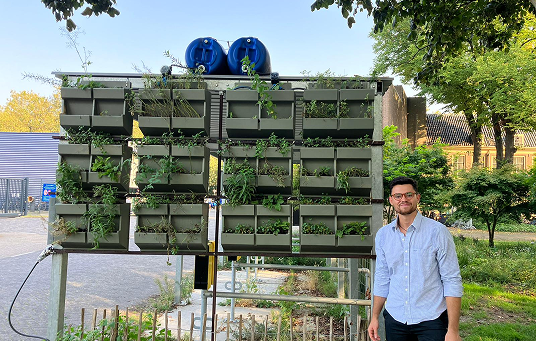
Muuras Wetland Wall prototype installed outdoors with a team member beside it

Contact us